Projects
FREDENSBORGHUSENE
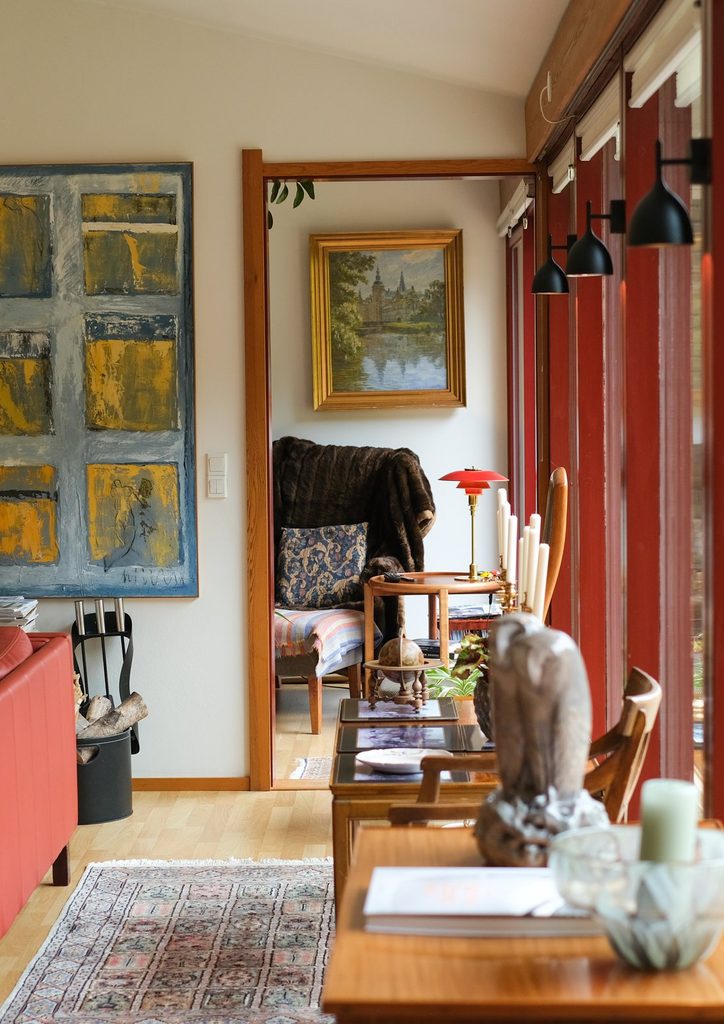
What does it mean to live inside a work of art?
Marking the 60th anniversary of Utzon’s iconic senior co-housing, we worked alongside the residents of Fredensborghusene to shed light on their lived experience of design and architecture. The collaboration showcased how architecture not only creates physical space but also fosters community, preserves privacy, supports ageing, and shapes the rhythms of everyday life.
CLEVER
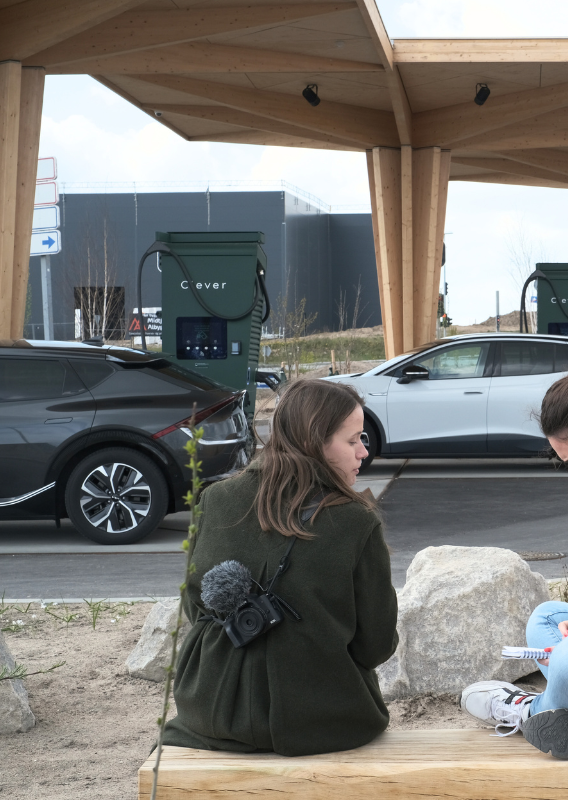
How do people really experience electric vehicle charging -and what does that mean for innovation?
We worked with Clever to explore the journey of EV users, uncovering behavioural insights that shaped smarter, more user-aligned solutions. By grounding innovation in real human perspectives, we helped Clever design services that meet people where they are, and where they’re going.
COPENHAGEN UNIVERSITY
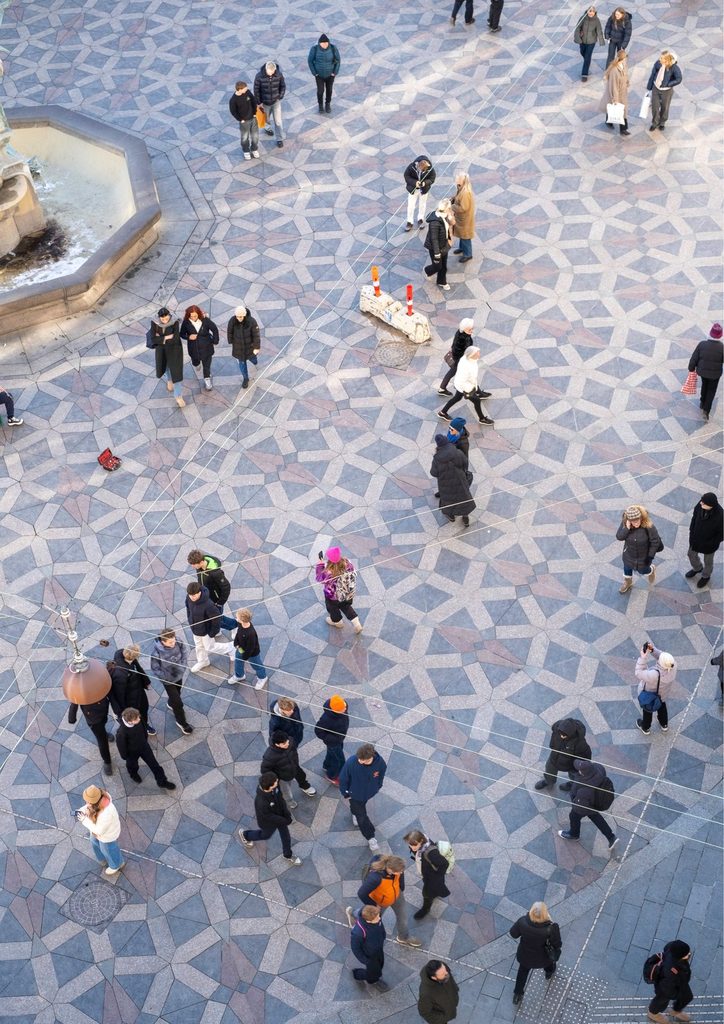
How can design help restore a sense of ease in public spaces?
In collaboration with COBE Architects, we turned daily disruptions in the urban settings into design insight. Through 115 personal accounts, we studied how public space intersects with gender, ability, and social norms -transforming ethnographic accounts into a manifesto of actionable design principles.
ROYAL DANISH ACADEMY
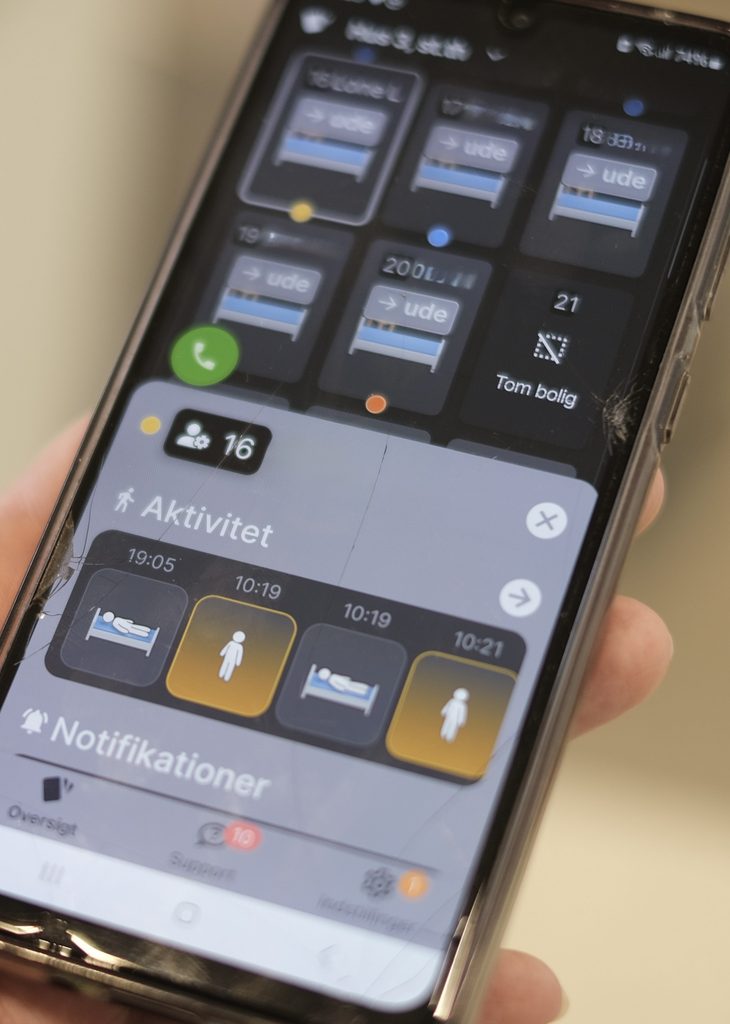
What happens when the home is connected to the data streams of the welfare state?
Based on interviews with Teton, the care center Symfonien, and elderly residents in “parcelhuser” in Ishøj, we explored what happens when the home itself becomes a smartwatch — sensors that learn from our movements to keep us safe, and send that information onward. As care technology increasingly enters people’s homes, we examined the grey zone between care and surveillance, and when safety outweighs the discomfort of being watched.
KAYAK KLUB KROGEN

How do you facilitate community continuity through spatial change?
After decades at a beachside location, Kayak Club Krogen was required by the municipality to relocate to a harbour site. We advised on the outdoor design of the new facilities, studying how members had used the old space: where people gathered and what made them feel comfortable enough to linger. The goal was not to replicate the old place, but to enable the same kind of community to flourish under completely different physical conditions.
COBE x NORDHAVN
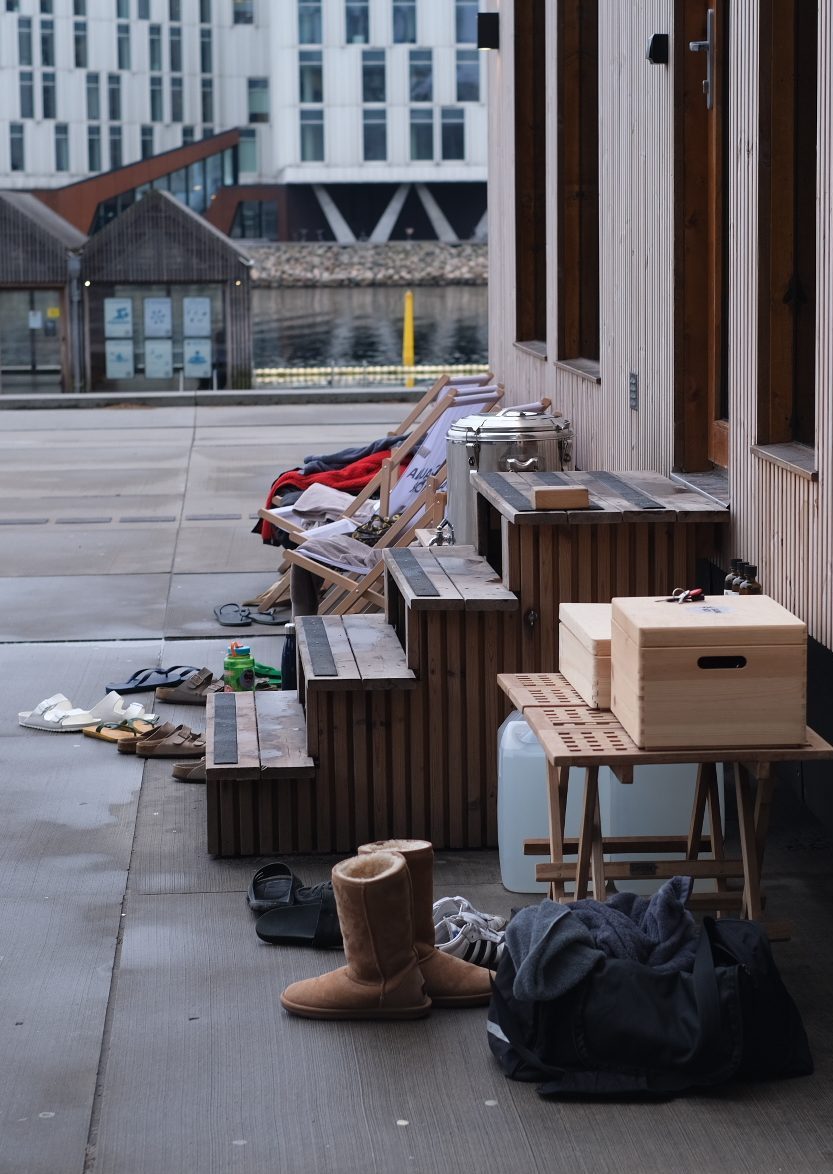
Is Nordhavn actually lived the way it was designed to be?
Since COBE’s 2008 masterplan, Nordhavn has grown into home for 6,000 residents and over 2,000 workplaces. We carried out an ethnographic evaluation of how Århusgadekvarteret is really used across seasons and demographics, examining the gap between planned intention and everyday, informal life — from winter harbour emptiness to summer overcrowding, and where public and private space quietly negotiate their boundaries.